
Why Your Home Is Sweating This Spring: A Guide to Tackling Texas Humidity
Have you ever walked into your home on a warm spring day and felt that sticky, damp feeling in the air, even when the AC is running? It’s a common complaint we hear from homeowners around Ellis County. You might even see condensation on your windows or vents—a classic sign that your house is “sweating.” This isn't just about comfort; it's a sign of high indoor humidity, a problem that can affect your home's health and your family's well-being.
That heavy, humid air can make a perfectly cool room feel warmer and less comfortable, tempting you to crank down the thermostat and watch your energy bills climb. But what’s really causing it, and what can y'all do about it? In this guide, we'll break down the causes of excess indoor humidity and share practical solutions to make your home a comfortable, healthy sanctuary once again.
The Culprits Behind High Indoor Humidity
In Texas, humidity isn't just an outdoor problem; it’s an expert at sneaking inside. Several factors can contribute to that muggy feeling in your home, and it's often a combination of issues.
- Leaky Ductwork: Your air ducts are the circulatory system for your home's conditioned air. If they have cracks, gaps, or poor seals, they can pull in hot, humid air from your attic, crawlspace, or walls. This unconditioned air mixes with your cool, dry air, raising the overall humidity level and forcing your HVAC system to work harder.
- An Oversized AC Unit: Bigger isn't always better when it comes to air conditioners. A unit that's too large for your home will cool the space very quickly and then shut off. This process, known as short-cycling, doesn't give the system enough runtime to perform its second crucial job: dehumidification. Proper cooling requires longer, steady cycles to pull moisture from the air.
- Poor Ventilation: Everyday activities like cooking, showering, and even breathing release moisture into the air. Without adequate ventilation, especially in bathrooms and kitchens, this moisture gets trapped inside, contributing to higher humidity levels throughout the house.
- Air Leaks: Gaps around windows, doors, and other openings in your home's structure can allow humid outdoor air to infiltrate your living space, undermining your AC's efforts to keep the indoor environment dry and comfortable.

More Than Just Discomfort: The Hidden Problems of Excess Moisture
That sticky feeling is annoying, but the consequences of unchecked humidity go much deeper. High moisture levels create an environment where a host of other problems can thrive, impacting both your property and your health.
One of the biggest concerns is the potential for mold and mildew growth. These fungi flourish in damp conditions and can grow on walls, in carpets, and within your HVAC system itself, releasing spores that can trigger allergies and respiratory issues. This is a major concern for families, especially those with children or individuals with asthma.
High humidity also creates a perfect breeding ground for dust mites, another common allergen. Furthermore, excess moisture can cause long-term damage to your home's structure, leading to peeling paint, warped wood floors, and damaged furniture. By getting humidity under control, you're not just improving comfort—you're protecting your biggest investment and creating a healthier living space.
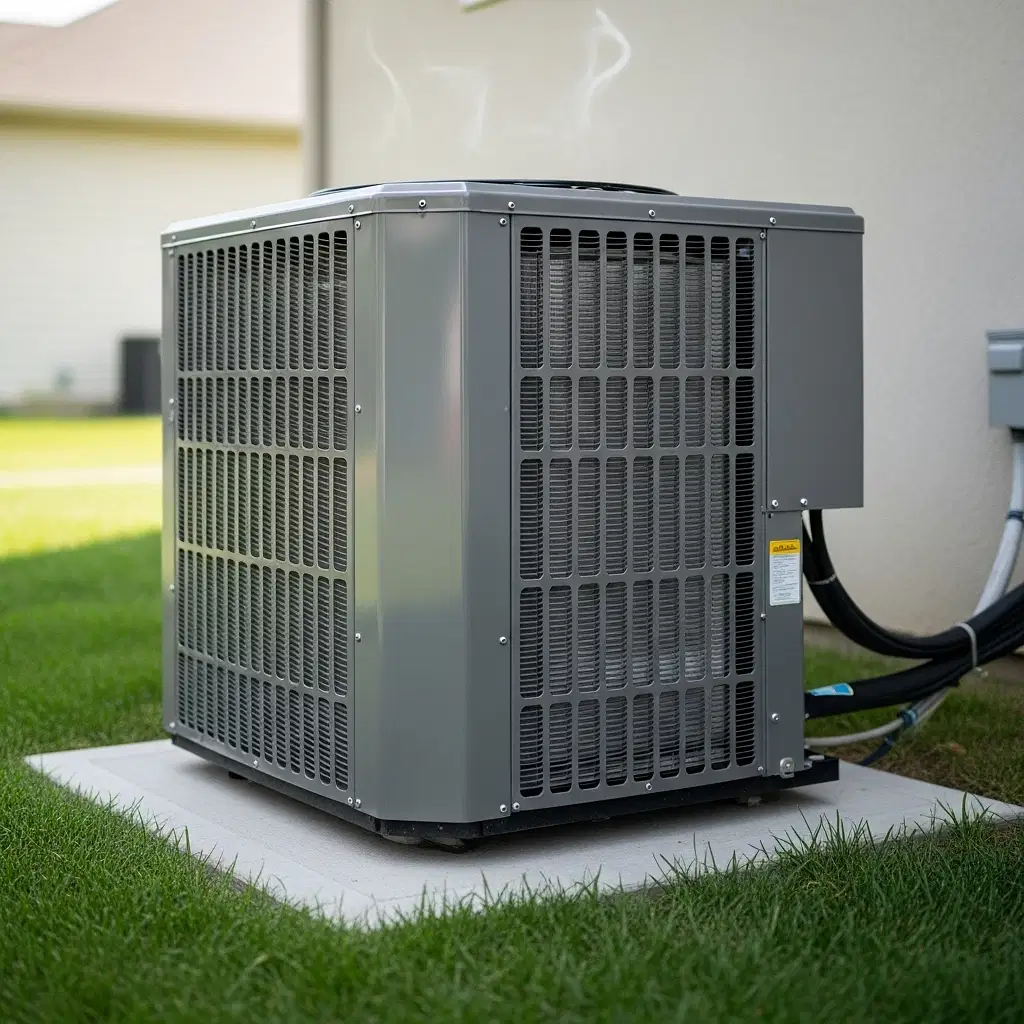
How to Get Your Home's Humidity Under Control
Fixing a humidity problem requires a targeted approach. While running a portable dehumidifier can help in a small area, a whole-home solution is often necessary for lasting comfort and protection. Here are the most effective strategies:
-
HVAC System Tune-Up: The first step is to ensure your current system is running optimally. During a professional maintenance check, a technician can identify issues like refrigerant leaks or dirty coils that hinder your AC's ability to dehumidify. Regular maintenance is key to keeping your system in top shape before the summer gets hotter than a two-dollar pistol.
-
Professional Duct Sealing: If leaky ducts are the culprit, sealing them is one of the most effective solutions. Our technicians can inspect your entire duct system and seal any leaks, ensuring that the only air circulating through your home is cool, clean, and properly dehumidified. This is a critical part of our Duct Installation & Repair services.
-
Whole-Home Dehumidifiers: For persistent humidity issues, integrating a whole-home dehumidifier with your HVAC system provides the ultimate control. These systems work in tandem with your AC to remove excess moisture from the air throughout your entire house, maintaining a perfect level of comfort and protecting your home.
-
Consider a System Upgrade: If your AC is old or improperly sized, upgrading to a modern, high-efficiency unit might be the best long-term solution. Today's systems, especially variable-speed models, are designed for superior humidity control and energy efficiency, providing significant improvements in both comfort and cost savings.
Don't Sweat It—H.E.A.T. Is Here to Help
Living with high humidity is a common struggle, but it’s not one you have to endure. By understanding the causes and taking the right steps, you can transform your home from a sticky, uncomfortable space into a cool and refreshing retreat. From a simple tune-up to a comprehensive system evaluation, addressing the root cause of the problem is essential for a healthy and comfortable home.
If you're tired of your home feeling like a swamp, the expert team at H.E.A.T. Mechanical & Electrical is ready to help. We specialize in comprehensive Residential HVAC Services, including advanced Indoor Air Quality (IOQ) solutions tailored for homes in the Ellis County area. Contact us today to schedule an assessment and let us help you breathe easier this spring.