
Upgrading Electrical and HVAC for Your Texas Workshop
For many homeowners and hobbyists, a detached garage, barn, or backyard shed is more than just a storage space. It is a sanctuary for woodworking, automotive restoration, metal fabrication, or agricultural maintenance. However, when the Texas summer hits the triple digits, spending even ten minutes in an unconditioned workspace can feel unbearable. Projects get abandoned, tools gather dust, and the space becomes virtually unusable for months at a time.
Whether you are located right in town or have a larger property out Cleburne way, transforming a basic outbuilding into a fully functional, year-round workshop requires more than just moving your tools inside. It requires a thoughtful approach to your climate control and power needs. Upgrading the electrical and HVAC systems in your detached workspace is the key to creating a comfortable, safe, and highly productive environment.
In this guide, we will explore the best strategies for heating and cooling for detached garages, the electrical requirements for home workshops, and how modern lighting can completely change the way you work.
Beating the Heat: Heating and Cooling for Detached Garages
One of the most common questions we hear from homeowners is how to properly cool a detached garage or barn. The instinct is often to try and extend the existing ductwork from the main house, but this is rarely a viable or code-compliant solution. Residential HVAC systems are sized specifically for the square footage and heat load of the home itself. Tapping into that system to cool an uninsulated garage will overwork your equipment, lead to uneven temperatures, and drastically increase your utility bills.
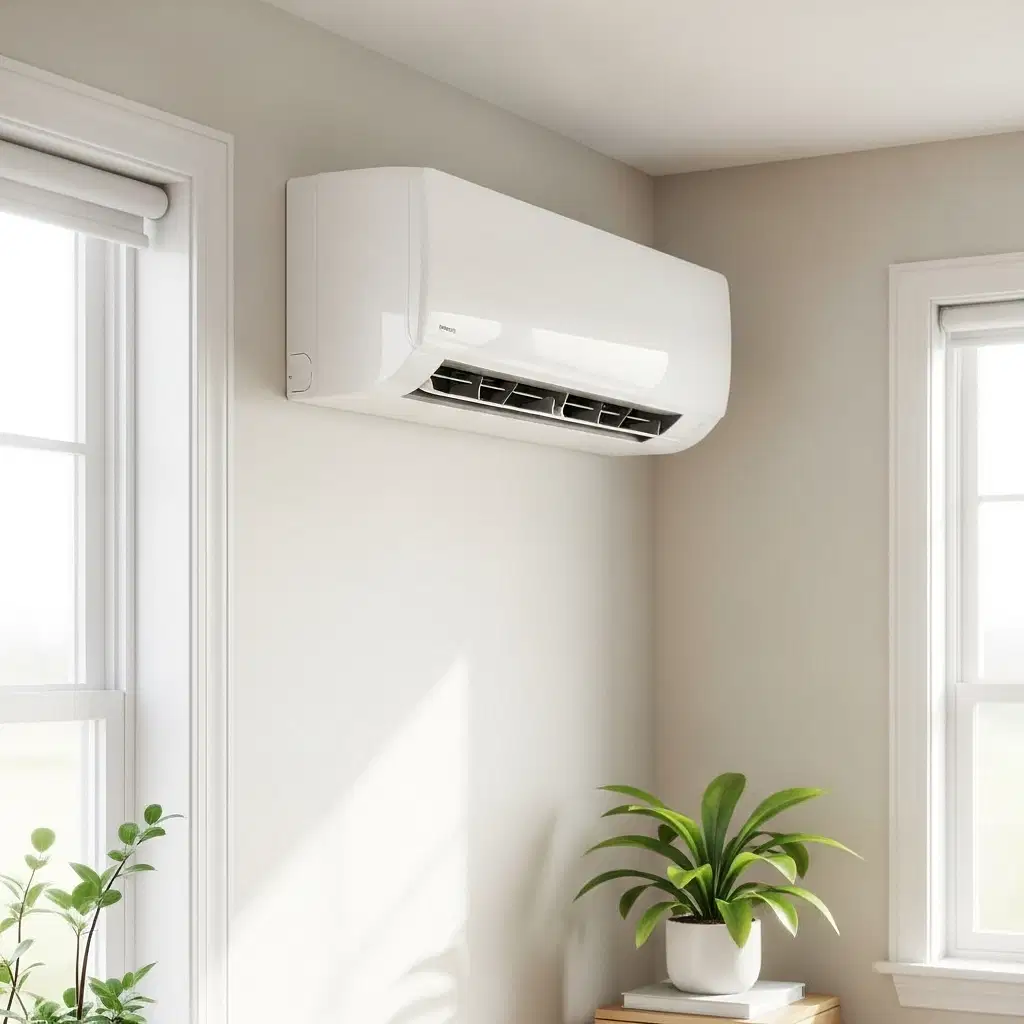
Instead, the most efficient and effective solution is a ductless mini-split system. Mini split options for rural outbuildings have become incredibly popular because they operate independently from your main home's system. These units consist of a small outdoor compressor and a sleek indoor air-handling unit mounted high on the wall. They require no ductwork, making installation straightforward and minimally invasive.
Ductless systems are highly energy-efficient, often boasting excellent SEER2 ratings, which is crucial for keeping your electric bills manageable during the dog days of summer. Furthermore, many mini-splits are heat pumps, meaning they can reverse their operation to provide efficient heating during the winter months. If you are tired of sweating over your workbench, exploring dedicated air conditioner installation and repair options for your outbuilding is the first step toward year-round comfort. Our team provides comprehensive residential HVAC services tailored to the unique demands of Texas properties, ensuring your workshop is conditioned perfectly.
Powering Your Tools: Electrical Requirements for Home Workshops
A comfortable workshop is only useful if you have the power to run your equipment safely. Standard garages are typically wired for basic needs: a garage door opener, a few overhead lights, and maybe a couple of 15-amp outlets. This is entirely insufficient for a serious workshop.
When you start plugging in air compressors, table saws, dust collection systems, and welding equipment, you are placing a massive demand on your electrical system. Running heavy machinery on standard circuits often leads to tripped breakers, overheating wires, and significant fire hazards. Relying on extension cords strung across the floor is not only a tripping hazard but can also cause voltage drops that damage the motors in your expensive tools.
Proper electrical requirements for home workshops usually dictate the installation of a dedicated subpanel. A subpanel allows you to run multiple 20-amp circuits for standard power tools and dedicated 240-volt circuits for heavy-duty equipment like welders or large air compressors.
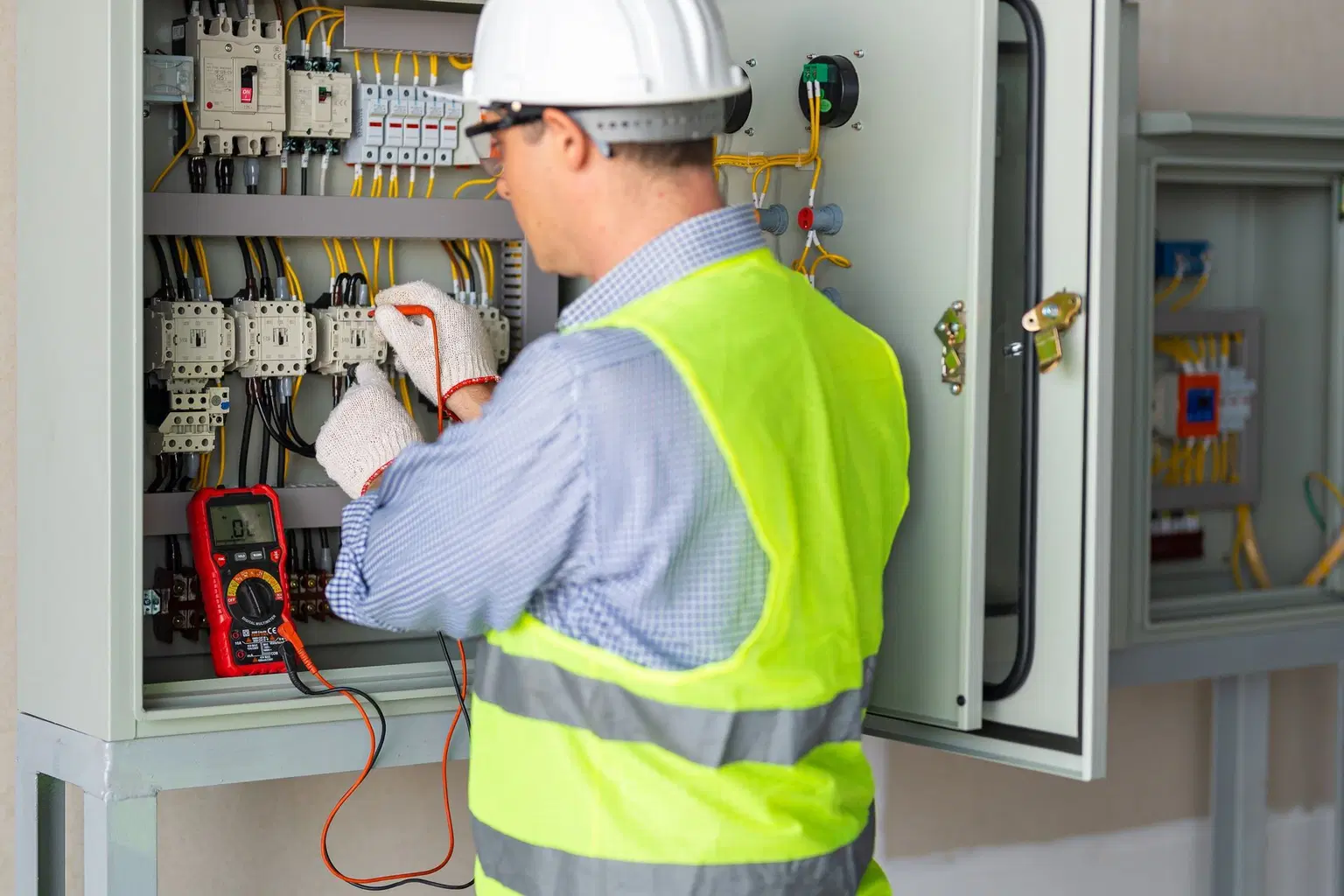
Upgrading your electrical infrastructure is not a DIY project. It requires a thorough understanding of load calculations, grounding requirements, and local building codes. If you are experiencing flickering lights, frequently tripped breakers, or outlets that feel warm to the touch, it is time to schedule professional electrical system troubleshooting. A licensed and insured electrician can assess your current capacity and design a safe, robust power distribution system that meets the specific demands of your workflow.
Bright Ideas: LED Lighting for Agricultural Barns and Garages
Lighting is often an afterthought when setting up a workshop, but it is arguably one of the most critical components of a safe and productive space. Many older barns and garages rely on outdated incandescent bulbs or aging fluorescent tubes. Fluorescent lights are particularly problematic in unconditioned spaces; they often hum, flicker, or fail to turn on entirely when the temperature drops.
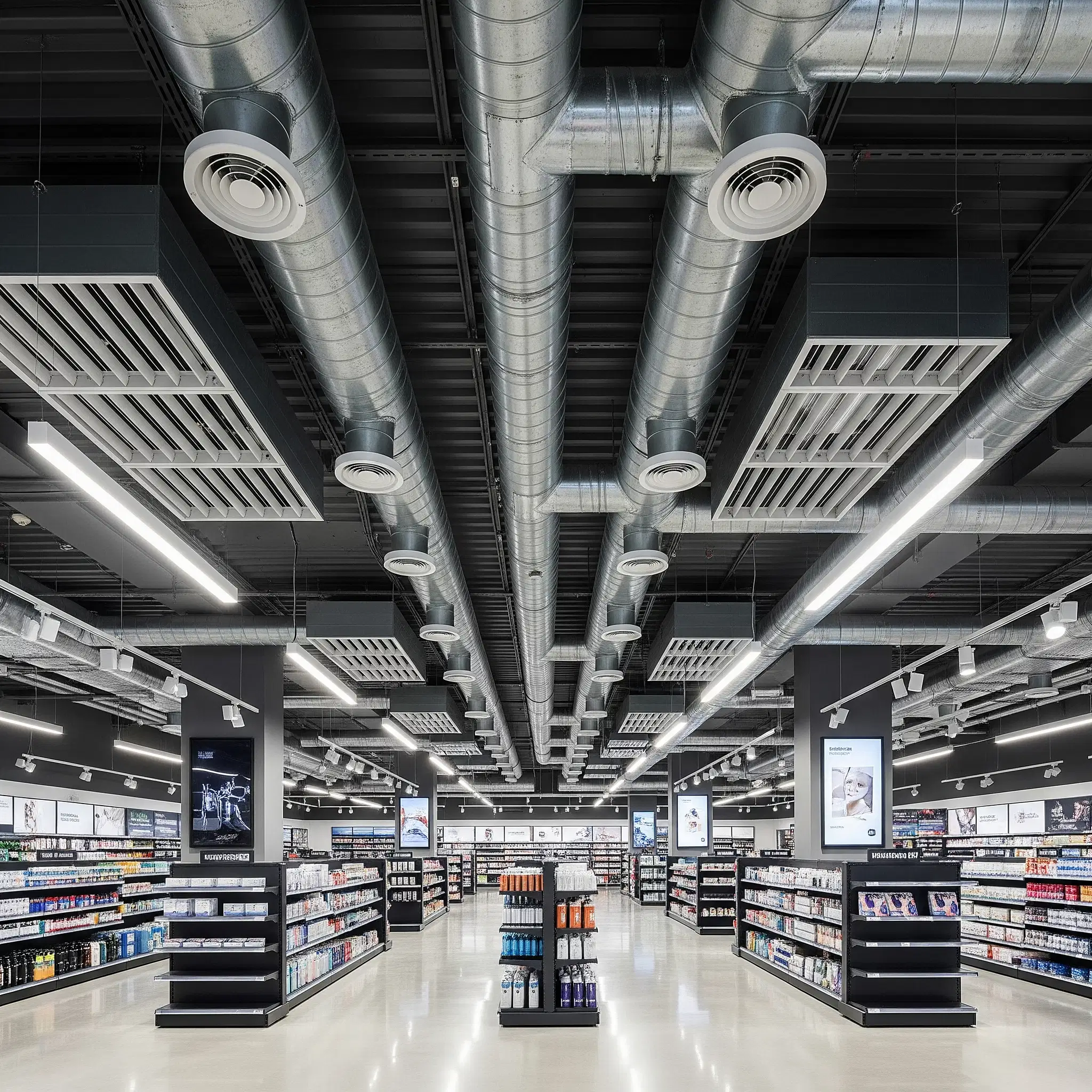
Poor lighting leads to eye strain, mistakes in your work, and an increased risk of accidents, especially when operating power tools. The modern standard for workspace illumination is LED technology. LED lighting for agricultural barns and home workshops offers a night-and-day difference in visibility.
LED fixtures produce a bright, clean light that mimics natural daylight, making it much easier to see fine details and accurate colors. They are also incredibly durable, resistant to the dust and vibrations common in workshops, and perform flawlessly regardless of extreme temperature fluctuations.
Beyond the immediate improvement in visibility, LEDs are highly energy-efficient, consuming a fraction of the electricity of traditional bulbs while lasting tens of thousands of hours longer. If your workspace feels dim or shadowy, investing in professional LED retrofitting is a cost-effective way to instantly upgrade the usability and safety of your environment.
Ready to Transform Your Workspace?
Your workshop should be a place where you can focus on your projects comfortably and safely, regardless of what the weather is doing outside. By investing in a dedicated ductless HVAC system, upgrading your electrical panel to handle heavy machinery, and installing bright, efficient LED lighting, you can turn any basic outbuilding into a professional-grade workspace.
If you are fixin' to upgrade your garage, barn, or shed, you need a partner you can trust to do the job right. At H.E.A.T. Mechanical & Electrical, we pride ourselves on delivering honest, transparent pricing and exceptional workmanship to our neighbors throughout Johnson County and the surrounding areas. Our licensed, highly trained technicians understand the unique challenges of rural and suburban properties, and we are committed to providing solutions that stand the test of time.
Don't let another season pass by with an unusable workspace. Reach out to us today via our contact us page to schedule a consultation. We will evaluate your space, listen to your specific needs, and provide a clear, upfront plan to bring reliable power and total comfort to your workshop.