Preparing Your Heating System for a Sudden Texas Blue Norther
Texans know all too well that our weather rarely follows a predictable schedule. One day you might be enjoying a perfectly mild, sunny afternoon out Cleburne way, and the very next morning, a notorious Blue Norther sweeps across the plains, plummeting temperatures by thirty degrees in a matter of hours. While we spend most of the year figuring out how to survive the blazing triple digits, these abrupt and severe cold fronts can put an incredible amount of strain on your home’s heating system if it has not been adequately prepared.
At H.E.A.T. Mechanical & Electrical, we have seen firsthand how these sudden freezes can catch homeowners off guard. Your HVAC system works incredibly hard during the summer months, and transitioning directly into heavy winter heating without a proper checkup is a recipe for unexpected breakdowns. The sudden demand on dormant heating components often leads to a surge in emergency repair calls right when the weather is at its worst. By taking a few proactive steps now, you can ensure that your home remains a warm, comfortable sanctuary for your family, no matter how fast the temperature drops outside.

Why Testing Your Home Furnace Before the First Winter Freeze Matters
One of the most common mistakes homeowners make is waiting until the house is already freezing to turn on the heat for the first time. Testing your home furnace before the first winter freeze is one of the smartest things you can do to protect your family's comfort and your wallet. When you turn on your system early, you give yourself a vital window of opportunity to catch minor issues before they escalate into major, costly emergencies.
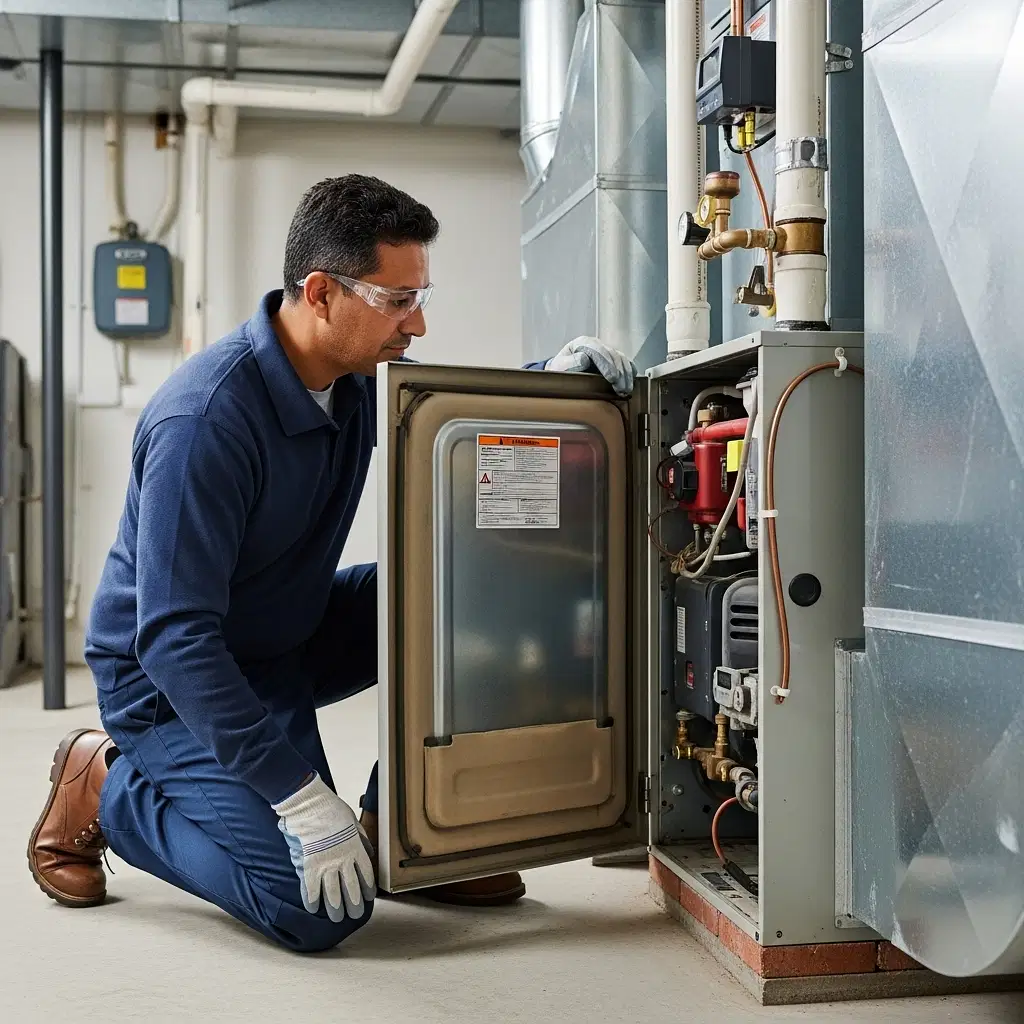
To properly test your system, start by switching your thermostat to the heating mode on a mild morning. Raise the temperature a few degrees above the current room temperature and listen closely. You should hear the system click on smoothly, followed by the sound of steady airflow. Pay attention to any unusual smells. A faint burning odor is normal for the first few minutes as the system burns off settled dust, but if the smell persists, or if you smell gas, you should turn the system off immediately and call a professional.
Early testing is especially critical for natural gas systems. Ensuring your burners are clean, your pilot light or electronic ignition is functioning, and your heat exchanger is free of cracks is essential for both your comfort and your family's safety. If you notice any hesitation in your system starting up, it is a clear indicator that you should schedule comprehensive gas furnace installation & repair services before the severe weather arrives.
Troubleshooting a Heating System That Blows Cold Air
There is nothing quite as frustrating as waking up on a freezing morning, turning up the thermostat, and discovering your vents are blowing chilly air. Troubleshooting a heating system blowing cold air often starts with the simplest solutions. First, verify that your thermostat is actually set to "heat" and that the fan is set to "auto" rather than "on." If the fan is set to "on," it will circulate air continuously, even when the heating cycle is not actively warming the air.
Next, check your air filters. A clogged, dirty air filter restricts airflow, which can cause your furnace to overheat and trigger a safety mechanism that shuts down the burners while the fan continues to run, blowing unheated air into your rooms. Changing your filter regularly not only prevents this issue but also significantly improves your indoor air quality during the dusty seasons.
If the thermostat and filters are fine, you may be dealing with a dirty flame sensor, a malfunctioning ignitor, or a compromised pilot light. These are clear signs your gas furnace needs early inspection by a certified professional. Modern HVAC systems, especially high-efficiency heat pumps, have complex internal sensors and defrost cycles that require specialized diagnostic tools to safely evaluate and repair.
Repair or Replace? Getting Ahead of the Cold Front
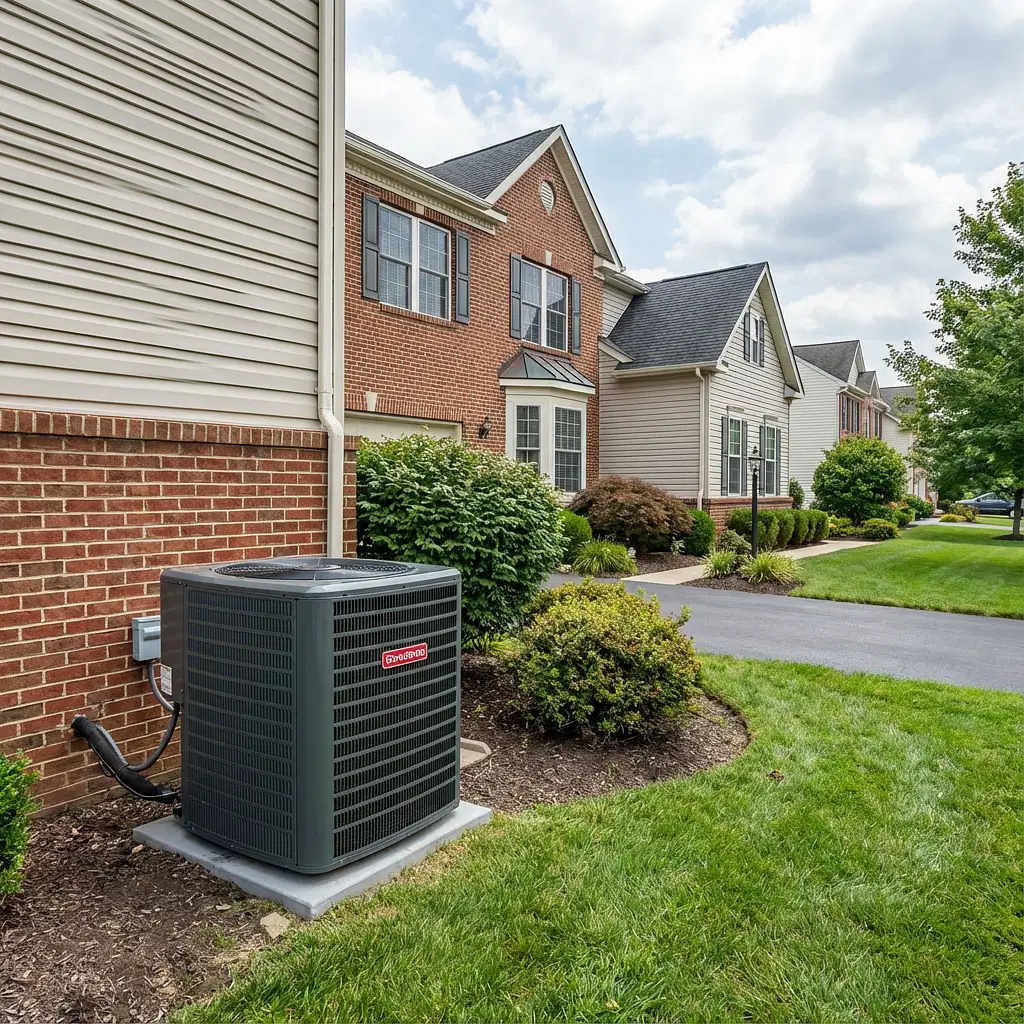
As your equipment ages, you will eventually face the decision of whether to continue repairing an older unit or to invest in a completely new system. If your heater is over ten to fifteen years old, requires frequent repairs, or if you have noticed your electric and gas bills creeping significantly higher each winter, replacement might be the most cost-effective choice in the long run.
Today's heating technology has advanced leaps and bounds. High-efficiency systems and modern heat pumps utilize variable-speed technology that adjusts output precisely to your home's needs, reducing energy waste and lowering your monthly utility bills. When considering an upgrade, it is also worth exploring how smart thermostat integration can further optimize your home's energy usage.
We understand that upgrading your equipment is a major household decision. That is why we focus on providing honest, transparent pricing with no hidden fees, and we offer flexible financing options to make new installations accessible. Our goal is to ensure you have all the information you need to make the right choice for your home, whether that means a simple tune-up or comprehensive heating installation & repair services.
Don't Wait for the Freeze
When a severe cold front hits Johnson County, you want the peace of mind knowing your home will stay warm and secure. As a locally-owned, long-standing business in the community, H.E.A.T. Mechanical & Electrical is dedicated to providing honest, reliable service to our neighbors. We pride ourselves on our fast response times, ensuring that whether you live right along the Chisholm Trail or further out in the county, our highly trained technicians are ready to help.
Are you fixin' to get your home ready for the winter season? Don't wait until you are shivering in your own living room. Take proactive steps today to ensure your family's comfort and safety. Reach out to us through our contact us page to schedule your comprehensive heating system evaluation, and let our family keep your family warm this winter.