Is Your Electrical Panel Ready for a Texas Summer?
As the days get longer and warmer here in Ellis County, we all start thinking about one thing: staying cool. Your air conditioner is the star of the show, working hard to provide a comfortable escape from the Texas heat. But behind the scenes, there's an unsung hero that makes it all possible: your home's electrical panel. This central hub distributes power to your entire house, and during the summer, it’s put under immense pressure. Before the temperature really starts to climb, it’s worth asking: is your electrical panel truly ready for the job ahead? An overworked panel isn't just an inconvenience; it can be a risk to your home's safety and the longevity of your expensive appliances, including your HVAC system.
Warning Signs of an Overloaded Electrical Panel
Your electrical panel will often give you subtle (and sometimes not-so-subtle) clues that it's struggling to keep up with your home's demand for power. Ignoring these signs can lead to bigger problems, from damaged electronics to serious electrical hazards. It's important to pay attention to your home's behavior, especially as you start using your AC more frequently.
Here are some common warning signs to watch for:
- Frequently Tripped Breakers: A circuit breaker's job is to trip and cut power when a circuit is overloaded. If the breaker connected to your AC or other major appliances trips regularly, it's a clear sign that the circuit can't handle the electrical load.
- Flickering or Dimming Lights: Have you ever noticed the lights flicker or dim for a moment when your air conditioner kicks on? This indicates a significant power draw that is straining your entire system.
- A Buzzing or Crackling Sound: Your electrical panel should operate silently. Any unusual noises like buzzing, humming, or crackling are serious red flags that could indicate a loose wire or a failing breaker.
- A Burning Smell or Discoloration: Any scent of burning plastic or ozone around your panel or outlets requires immediate attention. Similarly, look for any scorch marks or discoloration on the panel itself or surrounding wall.
- The Panel Feels Warm: The breakers and the panel cover should always feel cool to the touch. If the panel is warm or hot, it's a sign of an overload or a faulty connection.
If you notice any of these issues, it's time to call in a professional for electrical system troubleshooting. These symptoms point to a system that is under duress and may not be operating safely.
Why Summer Puts Your Electrical System to the Test
Modern life runs on electricity. From our kitchen appliances and entertainment systems to our home offices, the demand for power is higher than ever. Many older homes, especially those found throughout Ellis County, were built when household electrical needs were much simpler. Their electrical panels might have only been designed to handle a refrigerator, a few lights, and a television.
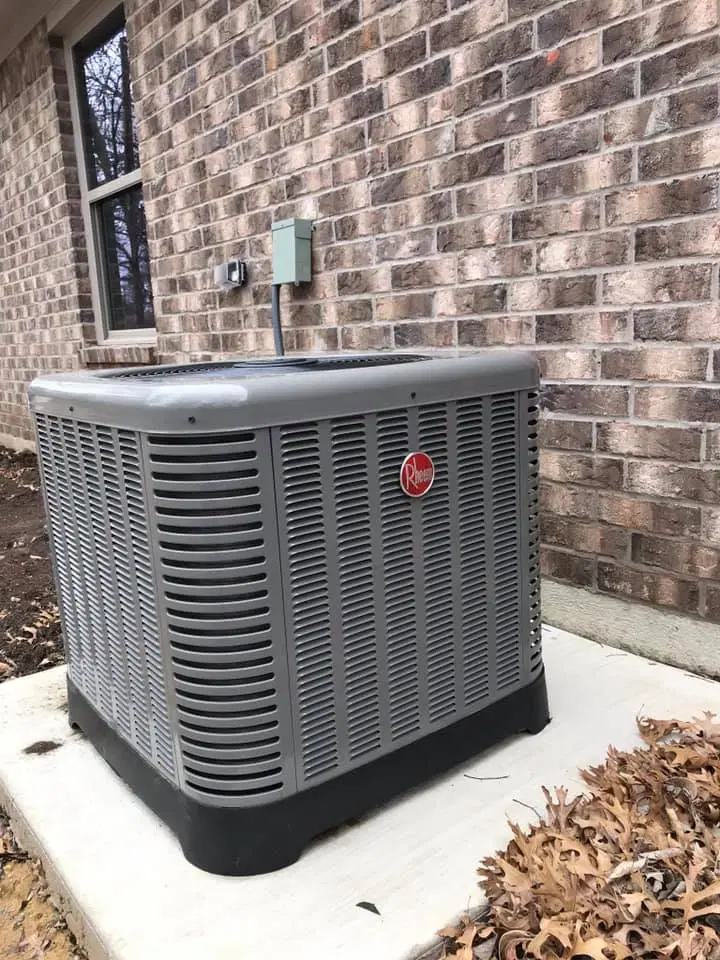
Now, fast forward to today. During a Texas summer, your home's electrical load skyrockets. Your central air conditioner is the biggest consumer, cycling on and off all day. Add to that a refrigerator working overtime in the heat, a pool pump, ceiling fans in every room, and all your usual electronics, and you can see how an older panel can quickly become overwhelmed. This sustained high demand is the ultimate stress test for your home's electrical infrastructure, and it's where weaknesses in the system are most likely to appear.
Planning a New AC? Don't Forget the Panel.
Are you considering upgrading to a new, high-efficiency air conditioner? That's a fantastic way to improve comfort and lower your energy bills. However, it's crucial to remember that these advanced HVAC systems can have specific electrical requirements. A new, powerful air conditioning installation connected to an outdated or undersized electrical panel is a recipe for trouble.
The new unit may not perform at its peak efficiency, it could trip breakers constantly, or in the worst-case scenario, the electrical strain could damage the brand-new system's sensitive electronics. That's why a professional assessment of your electrical panel is a critical first step before any major HVAC upgrade.
Think of a panel upgrade not as an extra cost, but as a necessary investment to protect your new equipment and ensure it runs safely and effectively for years to come. A qualified technician can determine if your current panel is sufficient or if an upgrade is needed to support your home's cooling needs. This proactive approach is key to reliable electrical repairs and maintenance and preventing future headaches.
Ensure a Cool and Safe Summer
Your family's comfort and safety are top priorities. A reliable electrical system is the foundation for both, especially when the summer heat is at its peak. By learning to recognize the warning signs of an overloaded panel and understanding the demands of modern appliances, you can take proactive steps to protect your home.
Don't wait for a breaker to trip on the hottest day of the year. If you have any concerns about your electrical panel or are planning an HVAC upgrade, contact the trusted, locally-owned experts at H.E.A.T. Mechanical & Electrical. We provide comprehensive residential HVAC services and professional electrical inspections to keep your Ellis County home running safely and comfortably all season long. Schedule a consultation with our honest and experienced team today!