Don't Sweat It: 5 Signs Your AC Unit is Fixin' to Fail
We all know that feeling. The Texas summer is hotter than a two-dollar pistol, and the one thing standing between you and melting is your trusty air conditioner. But what happens when that cool, steady hum turns into a worrying clank, or the refreshing blast of air becomes a lukewarm whisper? An unexpected AC failure is more than an inconvenience; it's a full-blown emergency. As your local HVAC and electrical experts serving the Ellis County community, we want to help y'all avoid that crisis. By learning to spot the warning signs, you can address problems early, saving you from stress, discomfort, and costly emergency repairs. Here are five key indicators that your AC unit might be on its last legs.
1. Strange and Unusual Noises
Your air conditioner should operate with a consistent, low-level hum. When it starts making new and alarming sounds, it's trying to tell you something is wrong. Pay close attention to these noises:
- Grinding or Squealing: This often points to a serious mechanical issue. A grinding sound could indicate a problem with the motor's bearings, while a high-pitched squeal might signal a failing belt or a motor in need of lubrication. Ignoring these can lead to a complete system breakdown.
- Banging or Clanking: A loud banging noise could mean a part has come loose inside the compressor or that the fan blades are hitting something. This is a problem that needs immediate attention to prevent further damage.
- Constant Clicking: While a click when the system starts or stops is normal, persistent clicking can be a sign of a failing thermostat or a more serious electrical control issue.
Think of these sounds as your AC's cry for help. Turning up the TV to drown them out won't make the problem disappear.
2. Weak Airflow and Warm Air
Is your AC running, but your home still feels stuffy and warm? If you hold your hand up to the vents and the airflow feels weak or the air isn't cold, you have a problem. This is one of the most common complaints we hear and it can stem from several sources.
The simplest cause could be a severely clogged air filter, which restricts airflow and strains the system. However, it can also signal a more significant issue, such as a failing compressor—the heart of your AC system. Another potential culprit is leaky or blocked ductwork, which prevents the cold air from ever reaching your rooms. If changing the filter doesn't solve the problem, it's time to call in a professional to diagnose why your system is no longer cooling effectively.
3. Excess Moisture or Leaks
Your air conditioner is designed to manage moisture, but you should never see active leaks or pooling water around the unit. If you notice the unit is "sweating" excessively or you find puddles, it's a major red flag.
- Water Leaks: This is often caused by a clogged condensate drain line. When this line is blocked, the water that your AC removes from the air has nowhere to go and can back up, potentially causing water damage to your home.
- Refrigerant Leaks: If you see a greasy, fluid substance, you may have a refrigerant leak. Refrigerant is essential for cooling, and a leak not only stops your AC from working but can also be a health hazard. This is not a DIY fix and requires a certified technician to handle safely.
Any sign of a leak warrants an immediate professional inspection to protect both your HVAC system and your home.
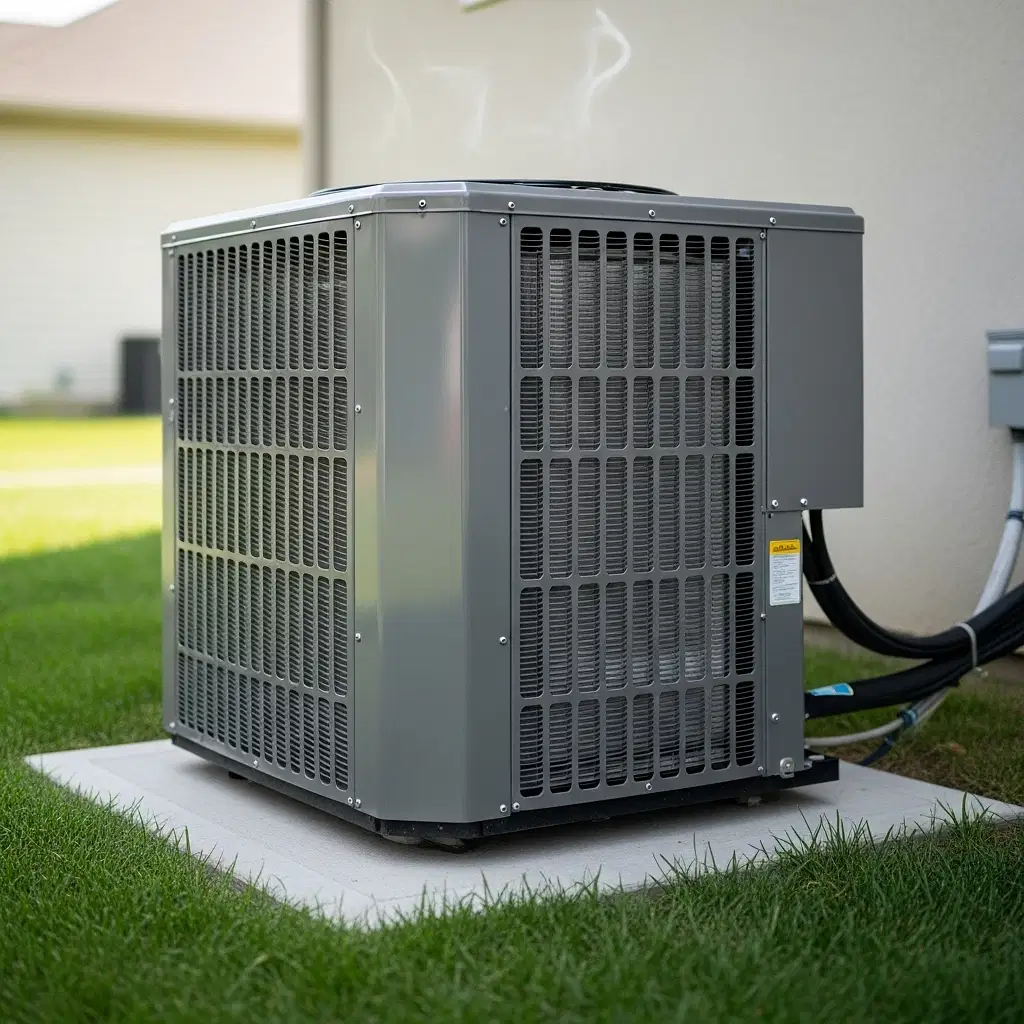
4. Frequent Cycling and Electrical Issues
Does your AC turn on and off constantly, running for only a few minutes at a time? This is called short cycling, and it's a sign of trouble. It could be caused by an oversized unit, a faulty thermostat, or low refrigerant levels. Short cycling puts immense wear and tear on your system and drastically reduces its efficiency and lifespan.
Furthermore, pay attention to your home's electrical system. If your AC trips the circuit breaker every time it kicks on, it's drawing too much power. This could be due to a struggling compressor motor or a wiring problem. Don't ignore electrical issues; they can be a safety hazard. Our team is skilled in electrical system troubleshooting and can determine if the problem lies with the unit or your home's wiring.
5. Rising Energy Bills and Old Age
A sudden, unexplained spike in your summer electricity bill is often one of the first signs that your AC is losing efficiency. As components wear out, the system has to work much harder and run longer to cool your home, consuming more energy in the process. While you might not hear or see a problem, your wallet will feel it.
It's also important to consider your system's age. Most air conditioners in Texas have a lifespan of 10-15 years. If your unit is approaching or has surpassed that age and is starting to require frequent repairs, it's often more cost-effective to invest in a new, high-efficiency model than to continue patching up an old, failing system. Modern units are significantly more energy-efficient and can lead to substantial long-term savings.
Don't Wait Until Your AC Goes Out
Ignoring the warning signs your air conditioner gives you can lead to a complete system failure at the worst possible time. If you've noticed any of these issues—strange noises, weak airflow, leaks, or high energy bills—it's time to take action. Being proactive can often mean the difference between a simple repair and a full, costly replacement.
At H.E.A.T. Mechanical & Electrical, we're committed to keeping our neighbors in the Ellis County area cool and comfortable. Our experienced technicians can diagnose any issue and provide honest, reliable solutions. Whether you need a straightforward air conditioner repair or a full system evaluation, we're here to help. Contact us today to schedule a service call and get the peace of mind you deserve.