
Don't Panic! Understanding Your Heat Pump's Defrost Cycle and Auxiliary Heat
Are y'all fixin' to turn on your heat pump for the first real chill of the season, only to notice it doing some strange things? Heat pumps are fantastic for keeping our Waxahachie homes comfortable year-round, thanks to their incredible efficiency during our long summers and mild winters. But when the winter weather actually bites and temperatures take a sudden dive, these systems have a few built-in behaviors that can easily catch homeowners off guard.
If you have ever looked outside and seen steam rolling off your outdoor unit, or walked past your thermostat and noticed the words "Aux Heat" glowing on the screen, you might have felt a moment of panic. You might be wondering if you are about to face a massive HVAC repair bill right in the middle of the holiday season. Take a deep breath. In most cases, these functions are completely normal features designed to protect your equipment and keep your family warm.
Let's break down exactly what your system is doing, why it operates this way, and when you might actually need to call the experienced, locally-owned team at H.E.A.T. Mechanical & Electrical to take a look.
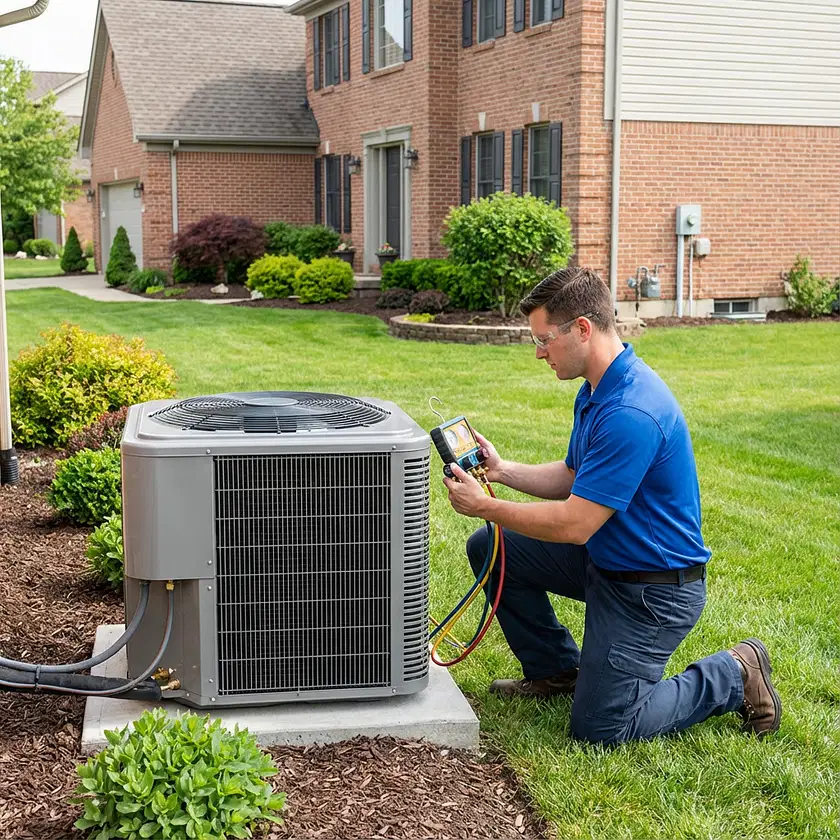
Why is My Heat Pump Blowing Steam During the Defrost Cycle?
To understand what your system is doing, it helps to know a little bit about how it works. A heat pump doesn't actually create heat; it moves it. Even when it feels freezing outside, there is still thermal energy in the air. Your system pulls that heat from the outdoor air and transfers it inside your house. However, when temperatures drop near freezing, the moisture in the outdoor air can condense and freeze on the outdoor coils of your unit.
To prevent a solid block of ice from completely covering and damaging your system, the unit shifts into a defrost cycle. During this cycle, the heat pump temporarily reverses its operation. It essentially goes into air conditioning mode for just a few minutes, sending warm refrigerant back outside to melt the accumulated ice. At the same time, the outdoor fan stops spinning to help the heat build up faster.
Because it is rapidly melting frost in cold air, you might see what looks like smoke billowing from the top of the unit. Don't worry—it is just a heat pump blowing steam during defrost cycle operations! You might also hear a sudden "swoosh" or hissing sound when the reversing valve shifts. This defrost process usually lasts anywhere from 5 to 15 minutes. Once the ice is gone, the system automatically returns to its normal heating mode, and the outdoor fan kicks back on.
Making Sense of Auxiliary and Emergency Heat
One of the most common questions we get from homeowners across The Metroplex during the winter months is: why is heat pump aux heat constantly running?
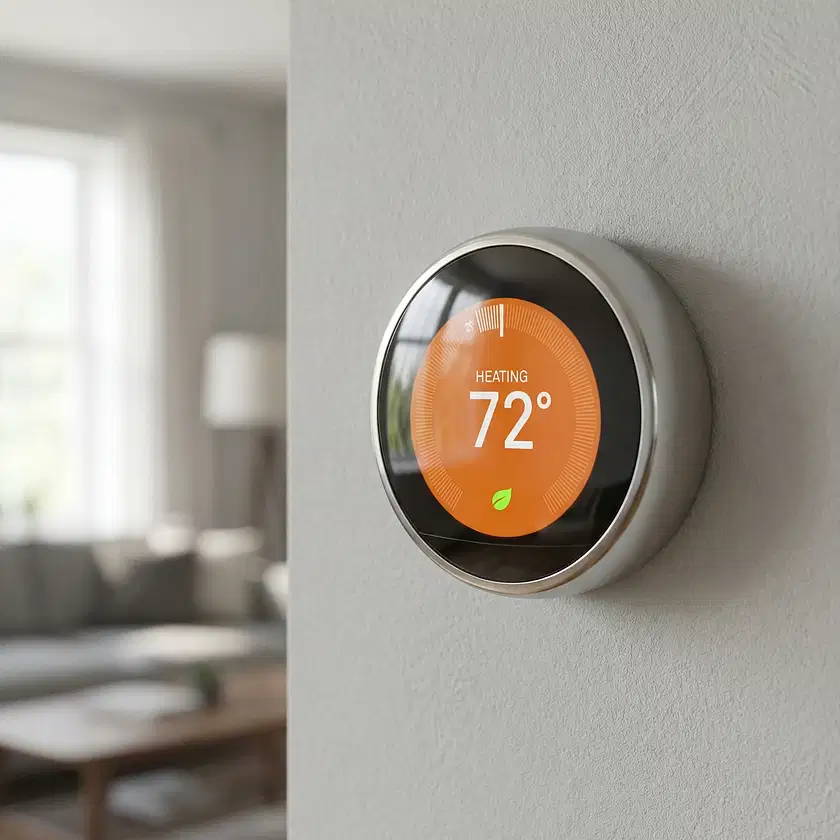
Auxiliary heat, often displayed as "Aux Heat" on your thermostat, kicks on automatically when the heat pump alone cannot pull enough warmth from the freezing outside air to meet your desired indoor temperature. When there is a significant gap between the current room temperature and your thermostat setting (usually a difference of about two degrees or more), the system uses electric heat strips to give your heating process a boost.
While this keeps you cozy, those electric heat strips use significantly more electricity than the heat pump itself, which can certainly impact your winter energy bills. If the outdoor temperatures are in the 20s or 30s, seeing your auxiliary heat come on is perfectly normal. However, if it is 50 degrees outside and the Aux Heat is running nonstop, you might have a malfunctioning sensor, a refrigerant issue, or a failing compressor that requires our professional heat pump installation & repair services.
You might also be wondering how to troubleshoot heat pump emergency heat. Emergency heat is entirely different from auxiliary heat. It is a manual setting on your thermostat that you have to turn on yourself. You should only use the emergency heat setting if your outdoor unit is completely broken, crushed by a falling tree branch, or frozen solid in a block of ice. If you find yourself needing to flip that switch, it means your main system is down, and it is time to have a professional investigate immediately.
Troubleshooting and When to Call the Pros
Modern heating systems are incredibly efficient, especially with the latest smart technology and SEER2 upgrades that often qualify for federal tax credits under the Inflation Reduction Act. But like any advanced equipment, they sometimes need a little help.
If you suspect your system isn't running optimally, there are a few simple things you can check before picking up the phone. First, check your indoor air filter. A severely clogged filter restricts airflow, which makes your system work twice as hard and can trigger the auxiliary heat unnecessarily. Second, check around the outdoor unit to ensure leaves, debris, or snow aren't blocking the airflow.
If your system is tripping circuit breakers, struggling to maintain a comfortable temperature, or if you are forced to run your emergency heat, it could be a complex wiring problem or a failing internal component. Before attempting any DIY fixes that might void your warranty or pose a safety risk, we highly recommend scheduling professional electrical system trouble shooting.
One of the unique advantages of working with H.E.A.T. Mechanical & Electrical is our dual expertise. Because our licensed technicians are skilled in both HVAC and electrical work, we can quickly and accurately diagnose whether your heating problem is mechanical or electrical. This comprehensive approach saves you time, prevents the need to hire multiple contractors, and ensures the job is done right the first time.
Keep Your Texas Home Cozy This Winter
Understanding how your equipment manages cold weather can save you a lot of worry and help you avoid unnecessary service calls. We know that energy costs and finding reliable technicians are major concerns for local families, which is why we are committed to transparent pricing, honest assessments, and treating every customer like a neighbor.
If you are ever in doubt about what your system is doing, the long-standing team at H.E.A.T. Mechanical & Electrical is here to help. From routine maintenance that prevents mid-winter breakdowns to emergency repairs when you need them most, our residential HVAC services are designed to keep your family comfortable safely and efficiently.
Whether you need a quick tune-up, an electrical inspection, or advice on upgrading to a new energy-efficient system, we've got your Ellis County home covered. Contact us today to schedule your service, and let's keep your indoor comfort Texas-sized all winter long!