
Don't Get Zapped: A Homeowner's Guide to Electrical Safety During Texas Storms
We all know the signs. The sky turns a dark, bruised gray, the wind picks up, and that familiar rumble of thunder starts in the distance. Texas storms can be impressive, but they also bring a significant threat to one of your home's most vital systems: its electrical grid. A single lightning strike or a sudden power surge can wreak havoc, damaging expensive appliances and sensitive electronics in an instant. For homeowners in Ellis County, being prepared isn't just a good idea—it's essential for protecting your family and your property. This guide will walk you through the essential steps for safeguarding your home's electrical system before, during, and after a storm, giving you peace of mind when the weather takes a turn.
Before the Storm: Your First Line of Defense
The best way to handle storm-related electrical issues is to prevent them from happening in the first place. Proactive measures can save you thousands of dollars in repairs and replacements, not to mention the stress of dealing with the aftermath. Here’s where to focus your efforts before the storm clouds gather.
1. Install Whole-Home Surge Protection
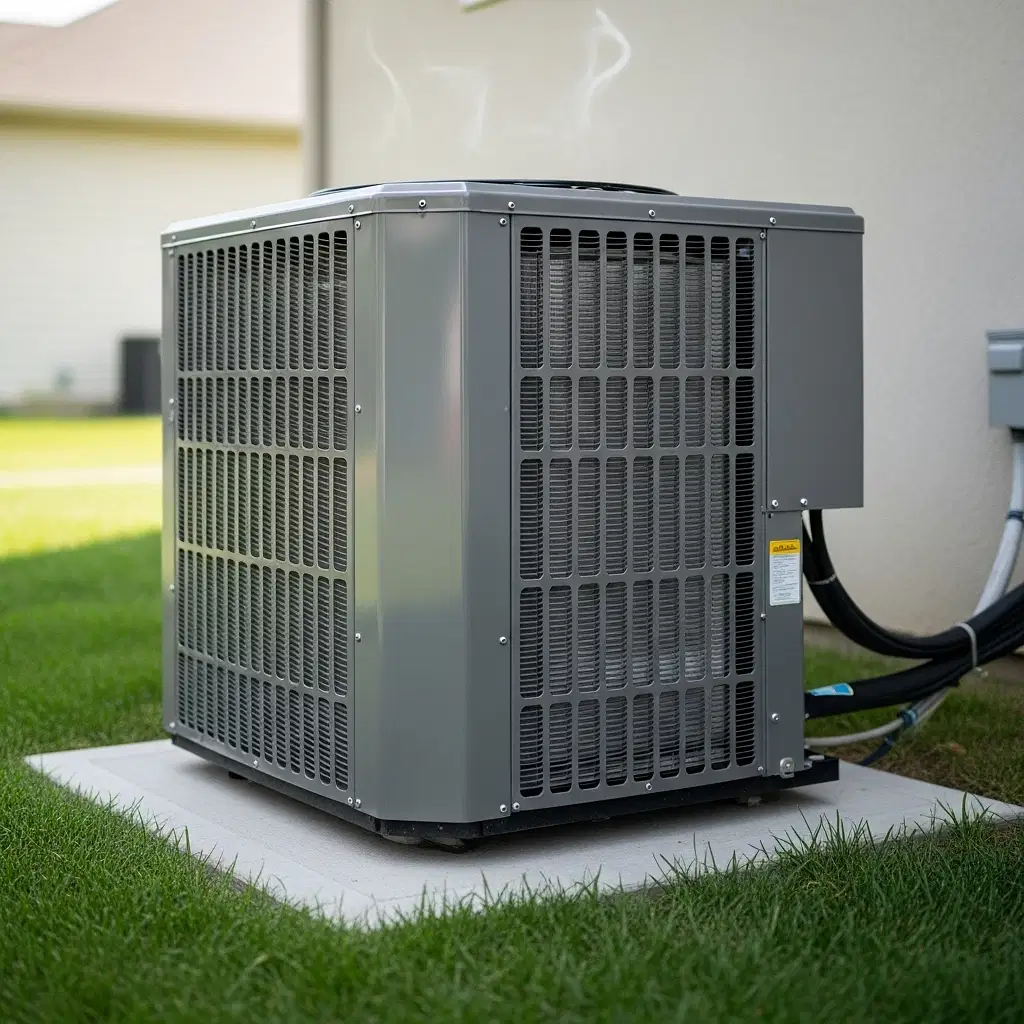
Many people rely on small, plug-in power strips to protect their computers and TVs, but these offer very limited protection and do nothing for your major appliances. A lightning strike near your home can send a massive surge of electricity through your wiring, frying the sensitive circuit boards in your HVAC system, refrigerator, washer, and dryer. A whole-home surge protector is installed directly at your electrical panel, acting as a gatekeeper that blocks these damaging surges from ever entering your home's circuits. It’s the single most effective step you can take to shield all of your electronics and appliances from external power events.
2. Schedule a Professional Electrical Inspection
Your electrical panel is the heart of your home's electrical system. If it's outdated, overloaded, or has faulty wiring, it's a significant vulnerability during a storm. A professional inspection can identify potential fire hazards, ensure your breakers are functioning correctly, and confirm your system is properly grounded—a critical feature for diverting the energy from a lightning strike safely into the earth. Think of it as a wellness check-up for your home; it ensures everything is in top shape and ready to handle the stress of a storm. Regular electrical maintenance can catch small issues before they become major, costly problems.

During the Storm: Immediate Safety Precautions
When the storm is directly overhead, safety becomes the top priority. While a whole-home surge protector is on guard, there are a few extra steps y'all can take to minimize risk.
- Unplug Sensitive Electronics: As a secondary precaution, it’s wise to unplug valuable electronics like computers, high-end televisions, and gaming consoles. This physically disconnects them from the grid, offering guaranteed protection.
- Avoid Water: This is a fundamental rule of electrical safety. Don't shower, wash dishes, or use corded phones during a thunderstorm. Lightning can travel through plumbing and wiring, so it's best to wait it out.
- Stay Away from Windows and Doors: Avoid standing near windows, doors, or on concrete porches, as lightning can travel through metal frames and the rebar in concrete.
- If the Power Goes Out: Turn off and unplug major appliances. This prevents a potential surge from damaging them when the power is restored. Leave one light switched on so you'll know immediately when the power is back.
After the Storm: How to Safely Assess the Situation
Once the storm has passed and the power is restored, it's tempting to assume everything is fine. However, it's important to be observant and check for signs of electrical damage before returning to your normal routine. If you notice any of the following red flags, it's time to call a professional immediately.
Warning Signs of Electrical Damage:
- A Burning Smell: A faint acrid or burning odor, especially near outlets or your electrical panel, is a serious warning sign of damaged wiring.
- Flickering or Dimming Lights: If your lights are behaving erratically after power is restored, it could indicate damage to your home's electrical system or the external power lines.
- Tripped Breakers: If a circuit breaker trips immediately after you try to reset it, there's likely a fault in the circuit that needs professional diagnosis.
- Discolored or Warm Outlets: Any outlet that looks scorched, melted, or feels warm to the touch should not be used. It indicates a dangerous wiring problem.
Attempting to fix these issues yourself can be extremely dangerous. Our expert technicians are equipped for safe and effective electrical system troubleshooting to pinpoint the exact cause of the problem and perform the necessary repairs to restore safety to your home.
Don't Wait for the Next Storm to Strike
Protecting your home from Texas weather is a year-round job. By taking proactive steps like installing lightning and surge protection and ensuring your electrical system is in excellent condition, you can face any storm with confidence. Your home is your biggest investment, and safeguarding its electrical system is key to keeping your family safe and your appliances running for years to come.
If you're ready to secure your home before the next storm rolls through Ellis County, contact H.E.A.T. Mechanical & Electrical today. We can provide a comprehensive electrical safety inspection and discuss the best whole-home surge protection options for your needs. Schedule your service online or give us a call to get started!