Breathe Easy: A Homeowner's Guide to Improving Indoor Air Quality for Allergy Relief
If you live in Ellis County, you know that seasonal allergies are no joke. From oak pollen in the spring to ragweed in the fall, it can feel like there’s no escape from itchy eyes and constant sneezing. Your home should be a sanctuary, a place where you can get relief. But what if the air inside your home is actually making your allergies worse? If y'all are tired of battling allergens indoors, you're in the right place. Your HVAC system is one of the most powerful tools you have for clearing the air, and with a few key strategies, you can transform your home into a haven for clean, breathable air.
Understanding the Culprits: What's in Your Air?
Before we can fix the problem, it's important to know what we're up against. The air inside our homes can be two to five times more polluted than the air outside. This is because modern homes are built to be energy-efficient, which means they're sealed up tight. While this is great for keeping the Texas heat out, it also traps airborne contaminants inside.
Common indoor allergens and pollutants include:
- Pollen: It hitches a ride inside on your clothes, pets, and through open doors and windows.
- Dust and Dust Mites: These microscopic pests are a major trigger for allergies and asthma and thrive in bedding, carpets, and upholstered furniture.
- Pet Dander: The tiny flecks of skin shed by cats, dogs, and other animals can linger in the air for a long time.
- Mold and Mildew Spores: Thriving in damp areas like bathrooms and basements, these spores can easily become airborne and circulated throughout your home.
- Volatile Organic Compounds (VOCs): These are gases emitted from common household products like paints, cleaning supplies, air fresheners, and even new furniture.
When your HVAC system kicks on, it circulates all of these particles throughout your entire house, potentially worsening allergy symptoms for your family.
Your HVAC System: The First Line of Defense
Think of your HVAC system as the lungs of your home. It pulls air in, conditions it, and then pushes it back out through a network of ducts. This constant circulation is your greatest opportunity to improve your home's air quality. Here’s how you can leverage it.
1. Upgrade Your Air Filter
The standard, one-inch fiberglass filter that comes with most systems is designed to protect the equipment from large dust particles, not to protect your health. Upgrading to a higher-efficiency pleated filter can make a significant difference. Look for filters with a MERV (Minimum Efficiency Reporting Value) rating of 8-13. These filters can capture smaller particles like pollen, mold spores, and pet dander without overly restricting airflow.
2. Keep Your Ductwork Clean and Sealed
Your air ducts are the highways for air in your home. If they are dirty or have leaks, they can become a major source of indoor air pollution. Leaky ducts can pull in dusty, allergen-filled air from attics, crawlspaces, and wall cavities, distributing it throughout your living space. Professional duct sealing and cleaning ensures that you aren't circulating contaminated air and helps your system run more efficiently.
3. Establish a Maintenance Routine
An ounce of prevention is worth a pound of cure. During a professional tune-up, a technician will clean the indoor and outdoor coils, check for moisture buildup that could lead to mold, and ensure the entire system is operating at peak performance. Consistent, regular professional maintenance not only extends the life of your equipment but is crucial for maintaining healthy air.
Advanced Solutions for Superior Air Quality
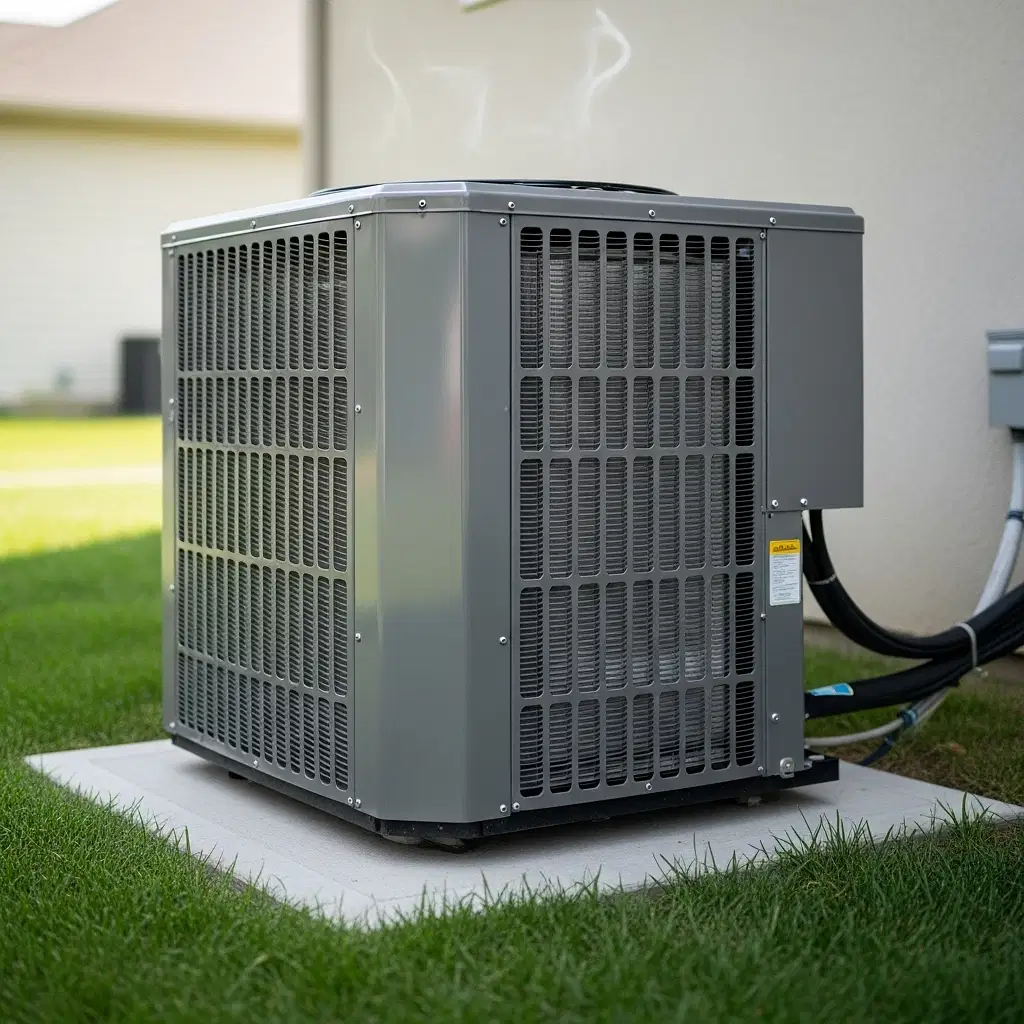
For families with severe allergies or asthma, sometimes filters and maintenance aren't enough. Thankfully, modern technology offers advanced solutions that integrate directly with your HVAC system to provide a higher level of air purification.
- Whole-Home Air Purifiers: These systems are installed directly into your HVAC system and can capture up to 99% of airborne particles, including viruses and bacteria. They are far more effective than portable, single-room units.
- UV Air Sanitizers: Using ultraviolet light, these devices are installed inside your ductwork to neutralize airborne mold, bacteria, and viruses as they pass through. They are especially effective at preventing microbial growth on your system's indoor coil.
- Ventilators (HRVs/ERVs): A Heat Recovery Ventilator (HRV) or Energy Recovery Ventilator (ERV) pushes stale, polluted indoor air out and brings in fresh, pre-conditioned outdoor air. It's a great way to ensure a constant supply of fresh air without wasting energy.
These Indoor Air Quality solutions can dramatically reduce the level of allergens and pollutants in your home, providing significant relief for allergy sufferers.
Take Control of Your Home's Air Today
Fighting allergies can feel like a constant battle, but you have the power to make your home a comfortable, breathable sanctuary. By paying attention to your HVAC system's filtration, maintenance, and ductwork, and by considering advanced purification technology, you can significantly reduce indoor allergens and help your family breathe easier.
At H.E.A.T. Mechanical & Electrical, we're a locally-owned company that believes in honest service for our community. If you're ready to improve the indoor air quality in your Ellis County home, we're here to help. Contact us today to schedule an air quality assessment or to learn more about our comprehensive HVAC and air purification services.